
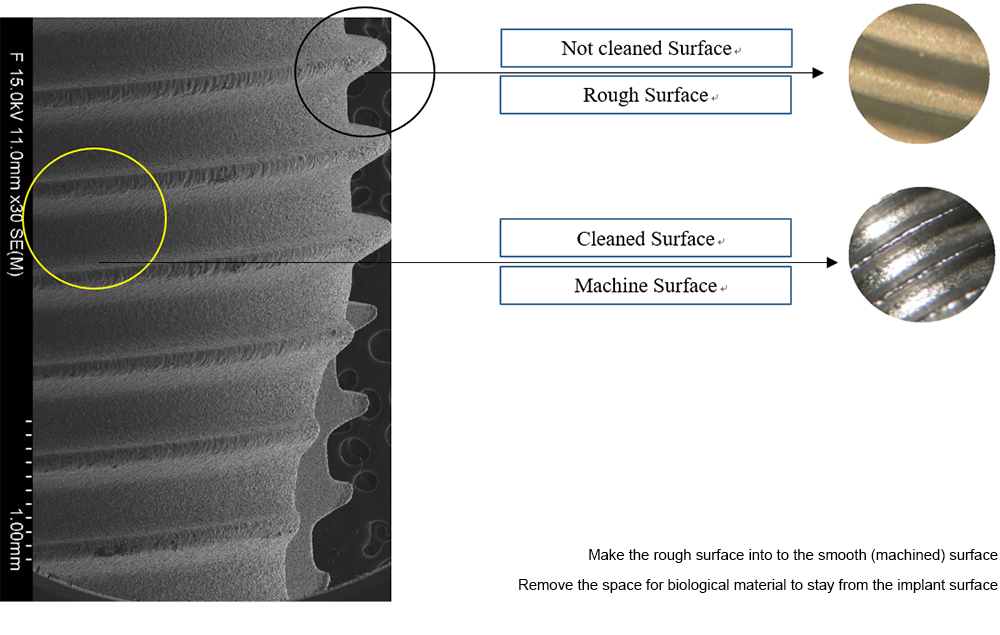
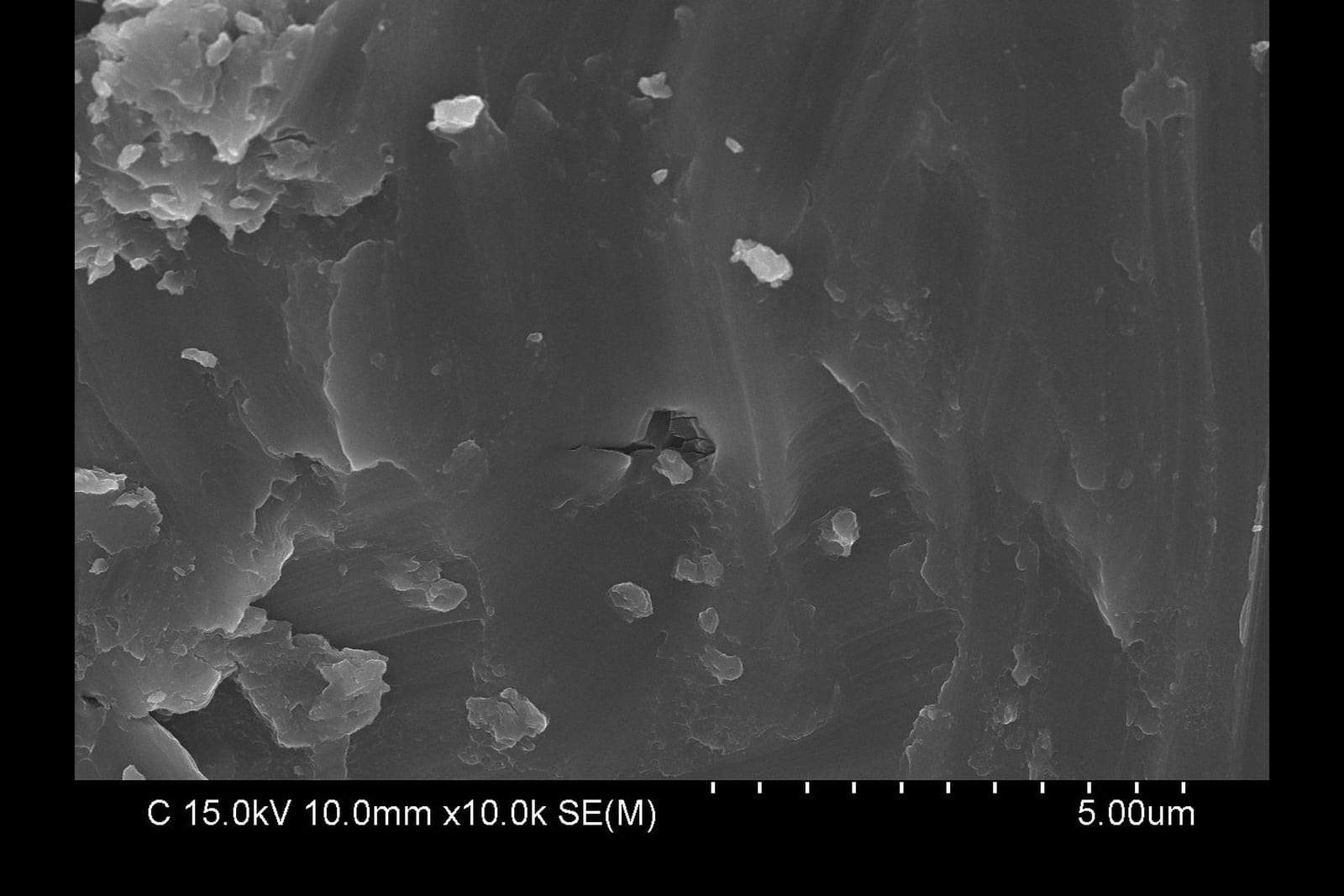
Main purpose of NiTi Brush return to the smooth† surface
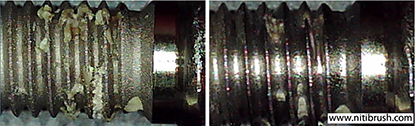
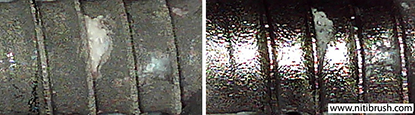
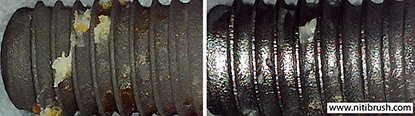
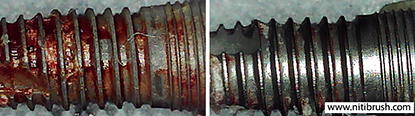
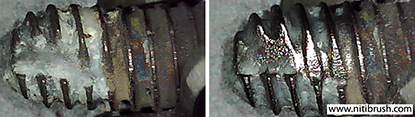
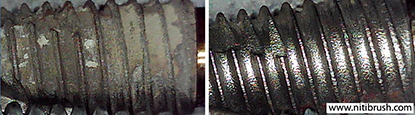
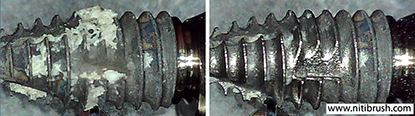
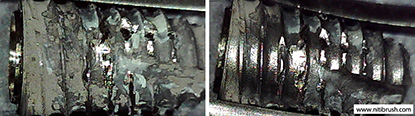
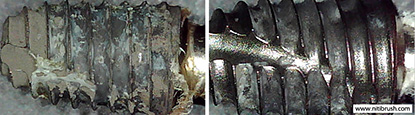
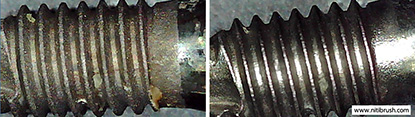
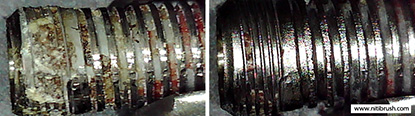
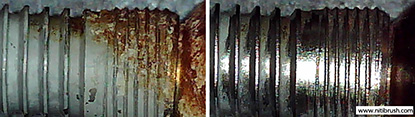
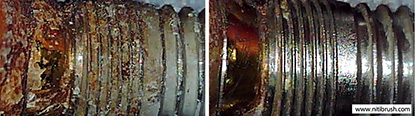
During the debridement using the NiTi Brush, the tone of colour of the implant surface becomes shiny, like a silver colour.
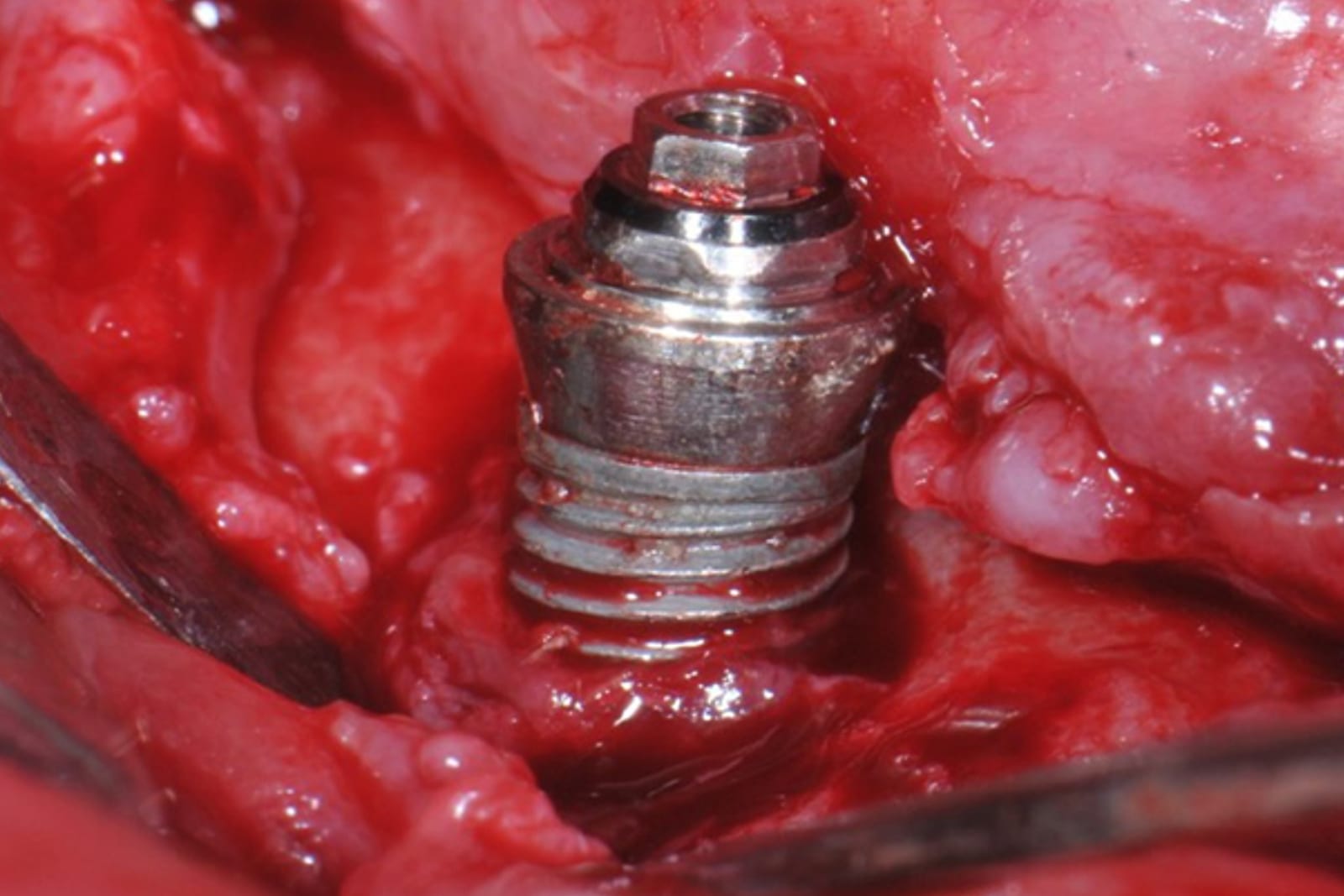
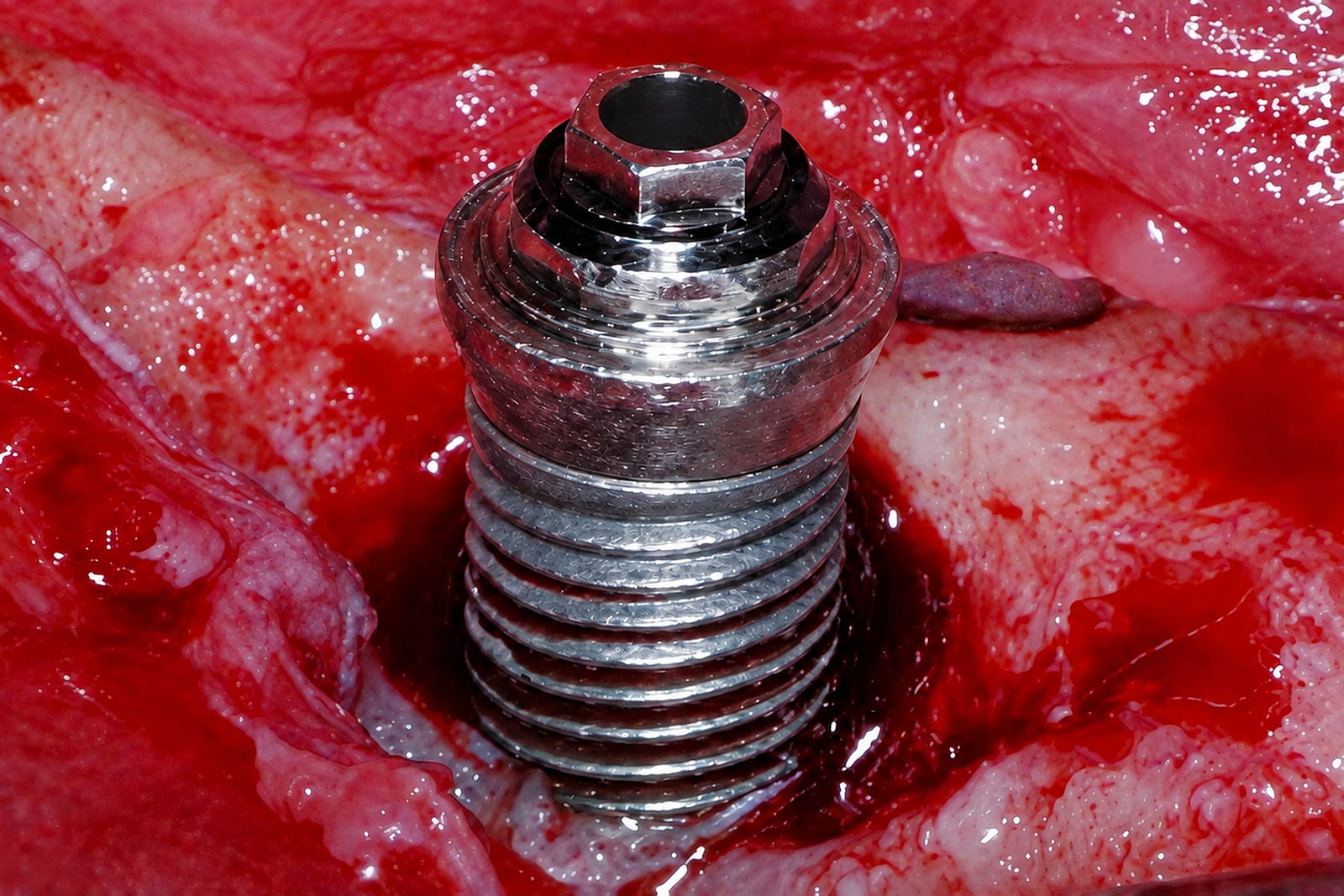
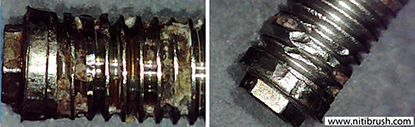
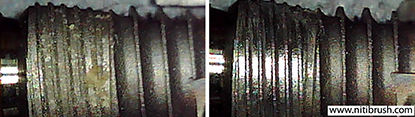
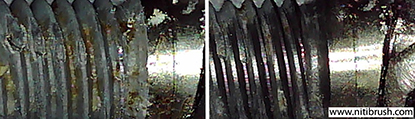
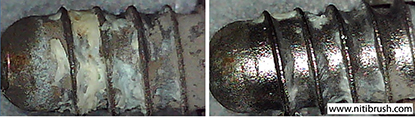
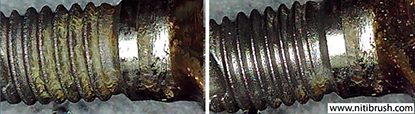
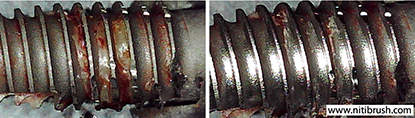
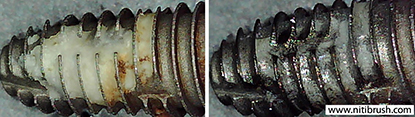
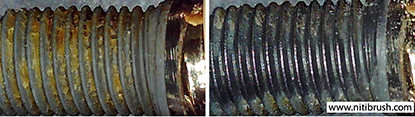
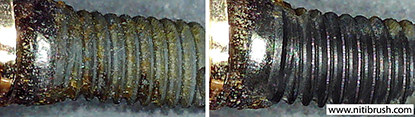
Failed implants, removed from patients close-up, before and after
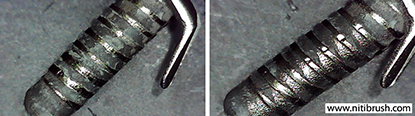
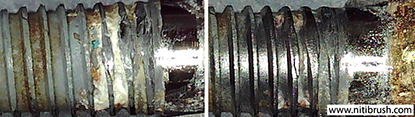
Four implants removed because of peri-implantitis, photographed under magnification before and after debridement with the NiTi Brush. The contaminated layer comes away; the thread geometry underneath is untouched.
Implant A01


Implant A02


Implant A03


Implant A04


Lab test 24 implants
Debridement of the surface of failed implants removed from patients, using the NiTi Brush for peri-implantitis. Each image shows the implant before and after debridement.
#periimplantitis #niti brush #Titanium brush #Titanium brush for peri-implantitis #niti brush for peri-implantitis #R brush #I brush #Rotating titanium brush #peri brush
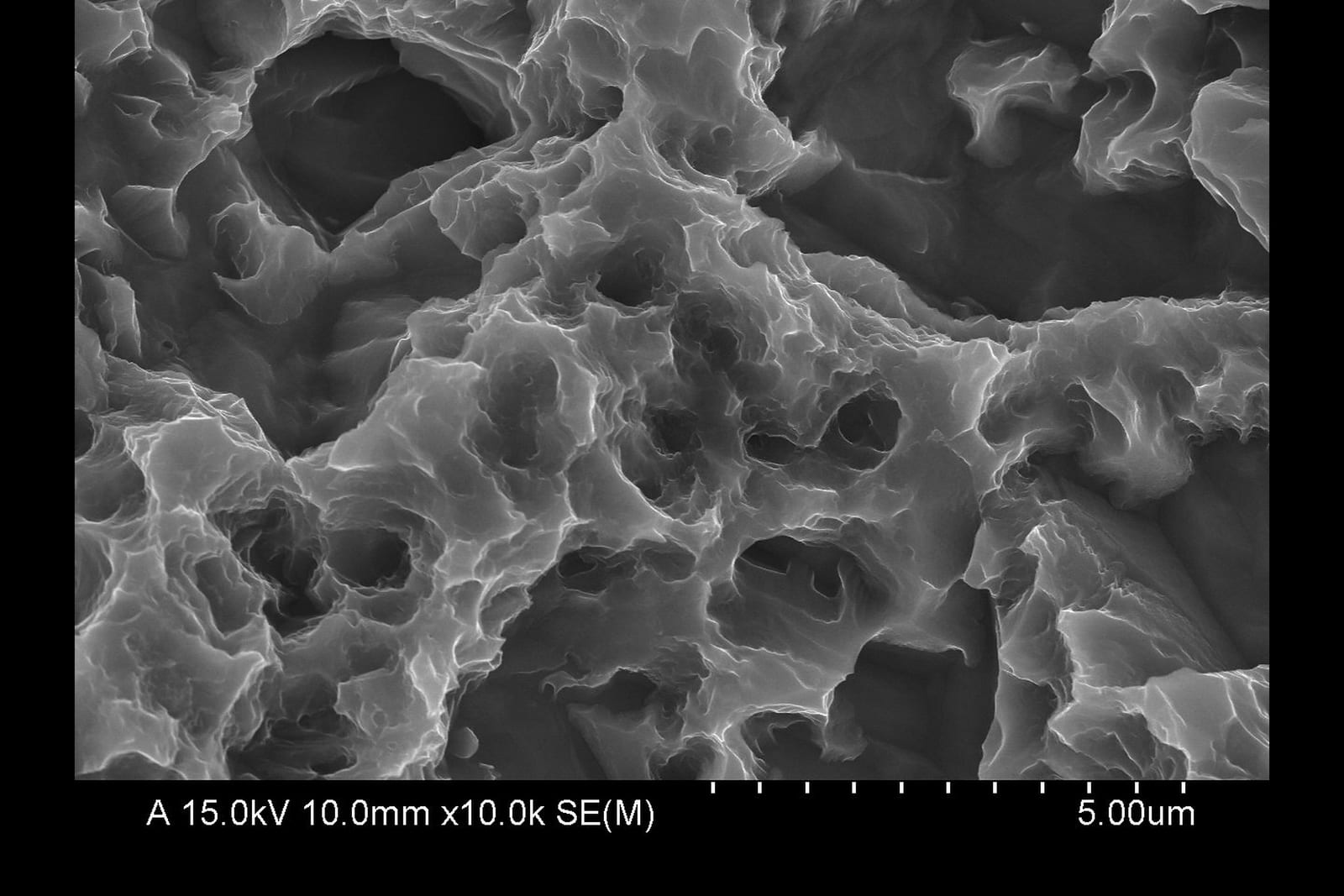
Note on “smooth”
† Smooth refers to moderately rough implant surfaces (e.g. SLA, RBM). In laboratory studies with the NiTi Brush, surface micro-roughness was reduced by removing protrusions (Kim et al. 2016) and the sharp-edged microstructure was smoothed, brushing continuing until the surface looked uniformly smooth and shiny, as in clinical use (Brunello et al. 2025). A clinical review describes polishing the exposed rough implant surface to a smooth surface with the NiTi Brush (Hiroyasu 2018). The shine seen chairside is the visible sign of this change (HANS Korea performance test).